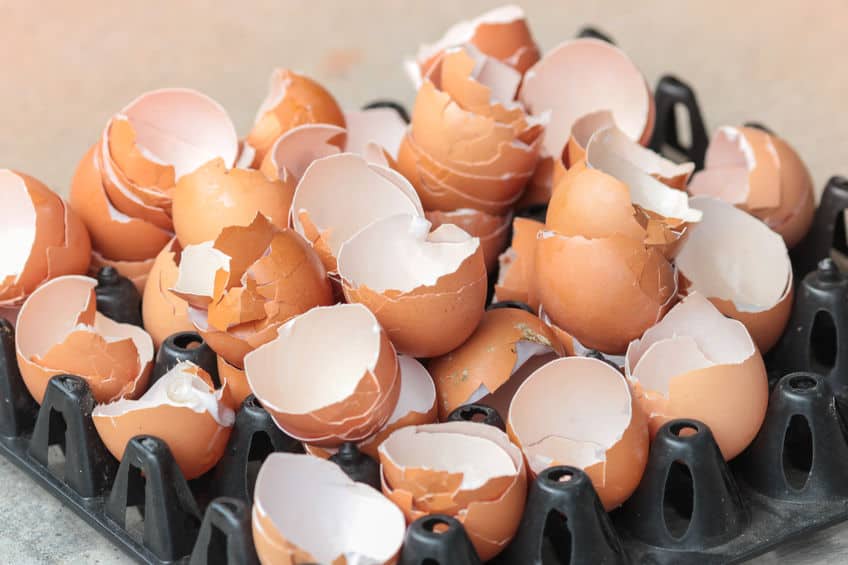
The average person eats around 280 eggs a year. That’s a whole lot of eggshells just to throw away.
So instead of tossing them out, can you compost eggshells? Or can you add them to your garden? If so, how long does it take for eggshells to break down in soil?
It can take years for eggshells to break down in soil. Studies have shown that even after many years buried in soil, eggshells showed no evidence of decomposition.
However, you can grind eggshells into a fine powder. Your garden will get a boost of calcium from the eggshells, and you won’t be adding carbon-based materials to landfills.
While it can take seemingly forever (literally) for eggshells to break down in the soil, that doesn’t mean you should just throw them out and forget about it.
Let’s take a closer look at eggshells, composting, and your soil.
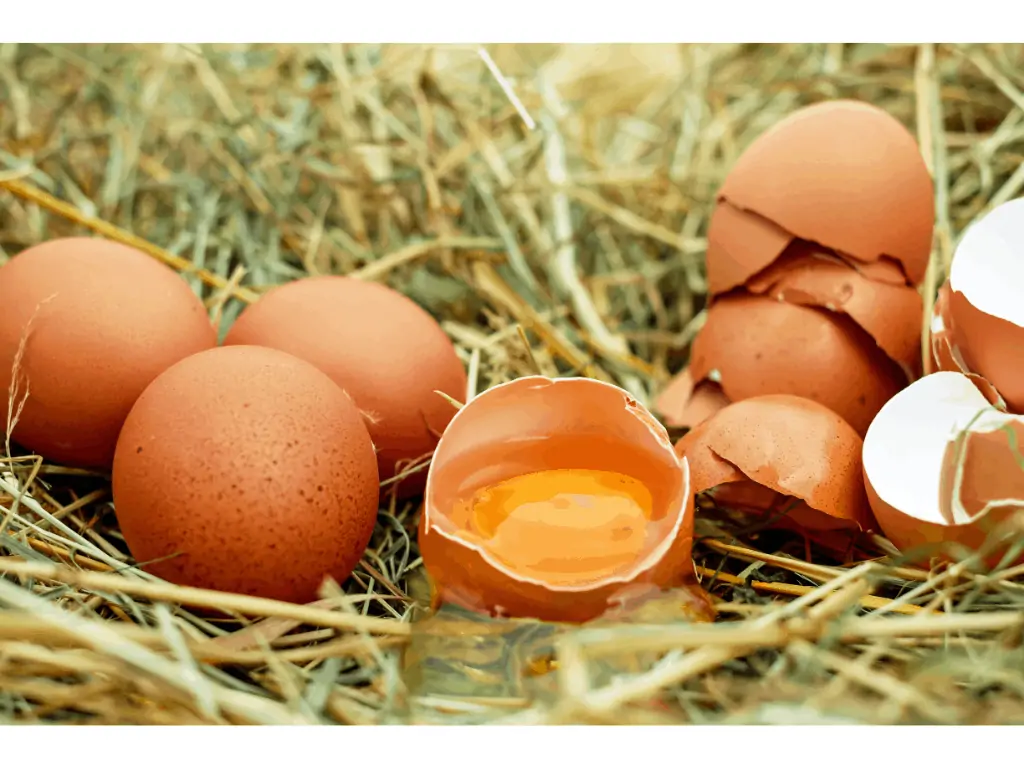
What Exactly Is an Eggshell, Anyway?
Chicken eggshells are 95% calcium carbonate (CaCO3), also referred to as high calcium lime, or just lime, in the world of agriculture.
So what makes up the remaining five percent of the eggshell? Well, great question.
That’s when science shows off a bit. That remaining five percent is a protein matrix that determines how the calcium carbonate crystallizes, which ultimately affects the eggshell’s structure.
You have an eggshell resistant to cracking, so the embryo stays safe and warm inside. Once it’s time for the chick to make its debut, it can break the shell.
It’s quite a fascinating example of how science perfectly balanced the makeup of the eggshell.
But that’s not all that eggshells have to offer. The typical eggshell also contains phosphorus, nitrogen, and potassium, all minerals that play a role in building healthy bones.
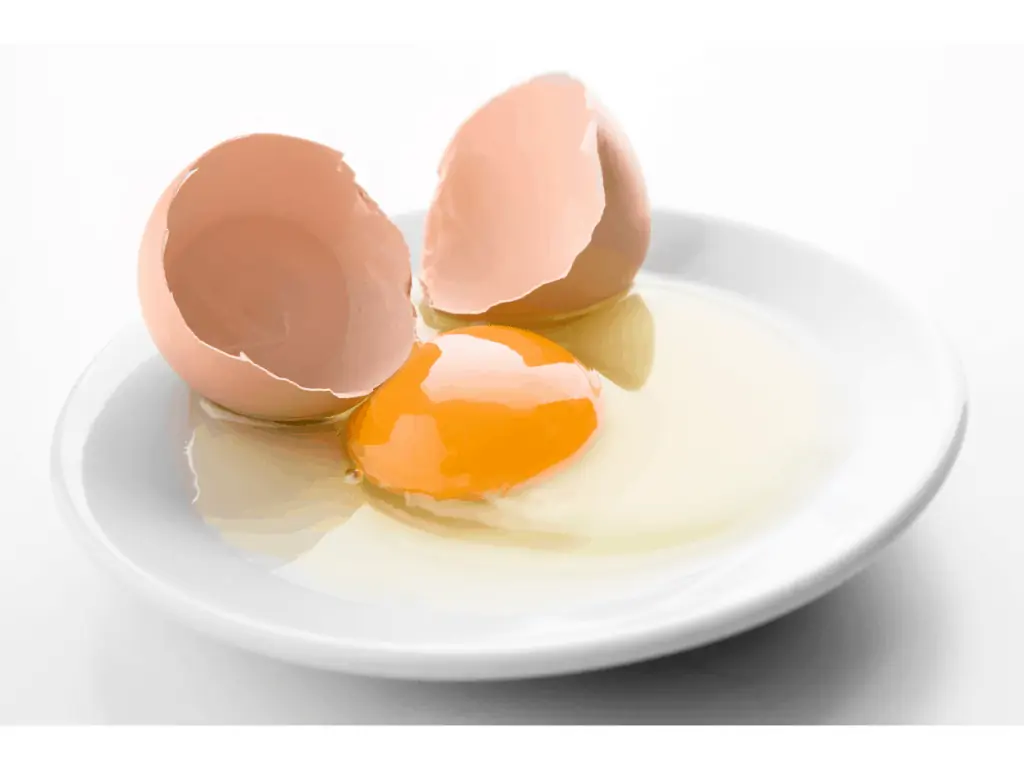
Composting Eggshells – An Egg-cellent Idea?
We know that eggshells take an incredibly long time to break down. So some of us may begin to wonder if it’s even worth it.
On the other hand, we understand that eggshells are full of calcium and other nutrients. That means they can be a rich addition to our gardens.
Also, we feel better about ourselves when we are proactively doing our part to help the environment.
To gain a clearer understanding, let’s look at the benefits and downsides of adding eggshells to our compost piles or gardens.
Benefits
Eggs are full of vitamins and minerals, and we love to eat them. We like scrambled eggs, deviled eggs, hard-boiled eggs, over-easy eggs, and fried eggs.
We add eggs to casseroles and hundreds of different dessert recipes.
That said, one benefit of keeping eggshells around to compost or use in the garden is simple – it’s because we go through so many of them. It would be a crime to throw them all out!
There are plenty of other benefits as well:
- Eggshells can add calcium to your garden’s soil high calcium content.
- Eggshells can be put in your compost bin.
- Eggshells are full of calcium as well as other minerals.
- Eggshells are an excellent fertilizer.
- Eggshells added directly to the ground can give tomato plants a calcium-filled boost.
- Eggshells can be crushed or ground to increase their effectiveness.
So, there are a lot of benefits to keeping those eggshells around. However, there are a few downsides. Check it out:
Downsides
So eggshells take a long time to decompose. They might not ever fully decompose if thrown into the garden in nearly whole or large pieces.
Even smaller chunks of eggshells can take a year or longer to decompose.
These matters raise several concerns, including:
- The composting process is slowed down as eggshells take a long time decomposing or do not decompose fully. Some experts say that eggshells might not decompose at all.
- Many question whether or not soil and plants benefit from eggshells as they do not break down easily. Eggshells can keep all of those good nutrients, such as calcium, to themselves.
- Rodents and other pests are attracted to a compost pile full of eggshells as the mixture cannot break down properly.
- Hunks of eggshells are visible in your final compost mixture, which isn’t ideal.
Ok, so we’ve discussed the benefits and downsides of composting eggshells or using them in your garden right away.
Are there any solutions to make decomposing eggshells easier and more effective? Of course, there are! Check it out.
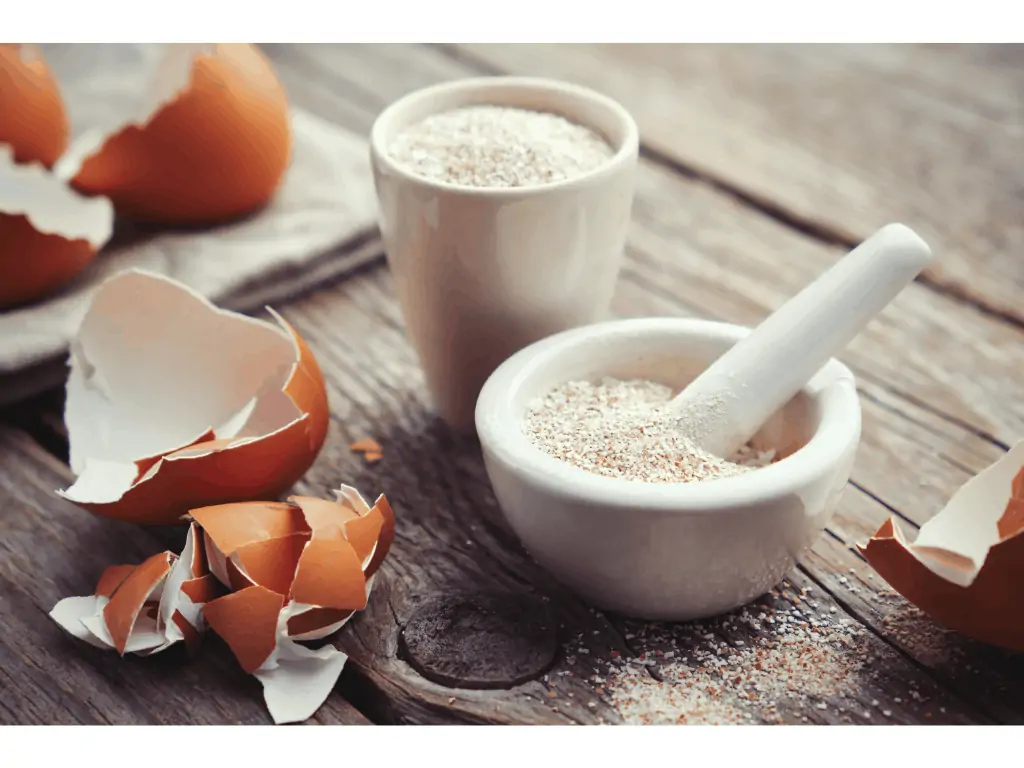
Grind or Crush Your Eggshells
So eggshells don’t really decompose (or take forever, and we tend to be impatient) and can cause issues if left in their natural state. Ok, fine – we have a solution that takes care of the decomposition timeframe:
You can grind or crush your eggshells into a fine powder, which can be used immediately to increase your soil’s calcium or boost the nutrients in your compost mixture.
Here are some tips on grinding your eggshells:
- Use a coffee grinder to crush your eggshells.
- Throw your eggshells into a powerful mixer or food processor.
- Put your eggshells in a bag and crush them with your fists or feet if you are feeling creative. However, they can be sharp so take proper precautions!
The smaller you can get your eggshells, the better. Finely ground eggshells work much like agricultural limestone. However, the coarser the eggshell is, the more likely it is to be less effective.
Final thoughts
You asked the question: How long does it take for eggshells to break down in so?
While we didn’t give you an exact number of days or years, we know this much is true: eggshells take a great deal of time to breakdown.
It could take a year or longer for smaller pieces of eggshells to break down. Larger, mostly intact eggshells could take years or decades to fully decompose.
However, eggshells are beneficial for your soil and compost mixture due to the calcium and other nutrients they contain.
By finely grinding your eggshells, you can immediately reap the rewards of saving all of those eggs that you and your family consume daily.