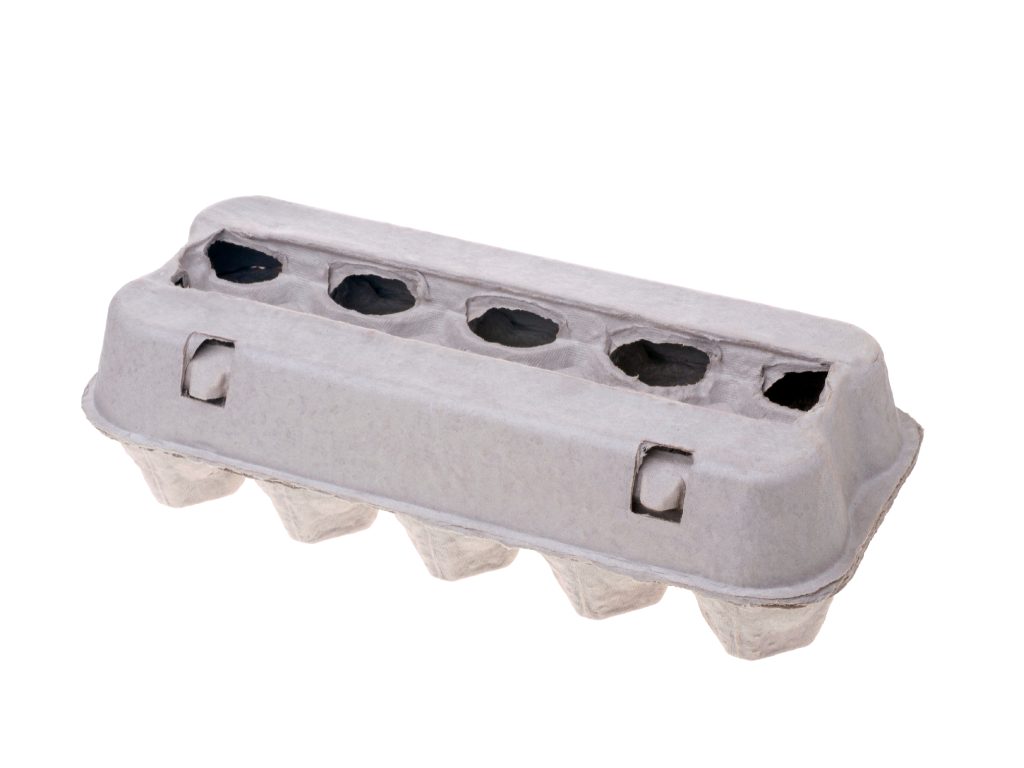
Composting has become an essential practice for anyone looking to reduce waste and enhance garden soil. Egg cartons, often overlooked, can be a beneficial addition to your compost.
Composting egg cartons is a straightforward way to turn waste into valuable, nutrient-rich compost for your garden. This eco-friendly practice not only helps in waste reduction but also supports sustainable gardening.
Egg cartons made from cardboard or paper contribute valuable carbon content to your compost pile, aiding in the decomposition process.
By cutting the egg cartons into small pieces, you can ensure they break down faster, improving the efficiency of your composting efforts. Not all egg cartons are suitable for composting, though; foam and plastic ones should be avoided due to their non-biodegradable nature.
Understanding how to properly add egg cartons to your compost will maximize their benefits. Removing any plastic liners and tearing the cartons into manageable pieces is crucial.
This simple but effective step can make a substantial difference in maintaining a balanced compost pile, ultimately fostering a healthier garden.
Key Takeaways
- Composting egg cartons adds valuable carbon to your compost pile.
- Only cardboard or paper egg cartons are suitable for composting.
- Cutting cartons into small pieces helps them break down faster.

Understanding Composting and Egg Cartons
Egg cartons can be a valuable addition to compost piles, contributing essential carbon-rich material. Identifying the different types of egg cartons and their compostability is crucial for integrating them effectively into composting practices.
Compostable Materials in Egg Cartons
Egg cartons come in three main types: paper, plastic, and foam. Paper egg cartons, made from recycled cardboard, are biodegradable and compostable. They decompose relatively quickly, adding valuable carbon to the compost.
In contrast, foam egg cartons contain non-biodegradable materials, making them unsuitable for composting. Plastic egg cartons are also not compostable and should be recycled instead. Proper identification and separation of these materials help maintain a healthy balance in the compost pile.
The Role of Egg Cartons in Composting
Paper egg cartons serve as a vital carbon source in the composting process. When shredded or torn into smaller pieces, they mix well with other materials, promoting aeration and moisture balance. This enhances the activity of microorganisms that break down organic matter in the compost pile.
By ensuring that paper egg cartons are included with other brown materials, such as dried leaves and cardboard, composters can optimize the decomposition process. This contributes to soil structure improvement and nutrient content, resulting in rich, fertile compost.
Composting professionals and enthusiasts alike should recognize the importance of incorporating suitable egg cartons to maintain an effective composting system.
Practical Guide to Composting Egg Cartons
Properly composting egg cartons can significantly enhance the composting process while reducing waste and enriching soil. Follow these key steps to ensure your egg cartons contribute effectively to your compost pile.
Preparing Egg Cartons for the Compost Pile
To start, tearing egg cartons into small pieces is essential. This increases the surface area, allowing microorganisms to break down the material more efficiently.
Soaking the pieces in water for a few minutes before adding them to the compost can accelerate this process. Ensure any plastic liners or labels are removed, as these are not compostable and will contaminate your compost pile.
Adding egg cartons to your compost pile contributes to the carbon-rich material, often referred to as “brown” matter. This should be balanced with “green” matter like kitchen scraps and yard waste to maintain an optimal carbon-to-nitrogen ratio.
Maintaining Optimal Conditions
Maintaining proper conditions in your compost pile is crucial for successful decomposition. Temperature and moisture levels must be monitored regularly.
The compost pile should feel like a damp sponge, where excess water can slow decomposition and too little can halt it. Turning the pile every few weeks helps ensure aeration, distributing moisture and maintaining temperature.
Including coffee grounds and other organic matter alongside egg cartons can improve microbial activity. Ensure that the pile remains well-aerated and free of compacted layers to promote fast and efficient breakdown of compost materials.

Innovative Uses for Composted Egg Cartons
The result of composting egg cartons is nutrient-rich soil that can benefit various gardening and household applications. One innovative use is as seed starters.
The composted material provides an excellent growing medium for young plants, ensuring they receive necessary nutrients early on. Additionally, some gardeners use shredded, partially composted egg cartons as fire starters because of their high carbon content.
Egg cartons can also be combined with other garden waste to create a robust compost blend that enhances soil structure, improving water retention and soil aeration. This not only supports plant growth but also helps reduce overall waste by recycling everyday materials into valuable compost.



Leave a Reply