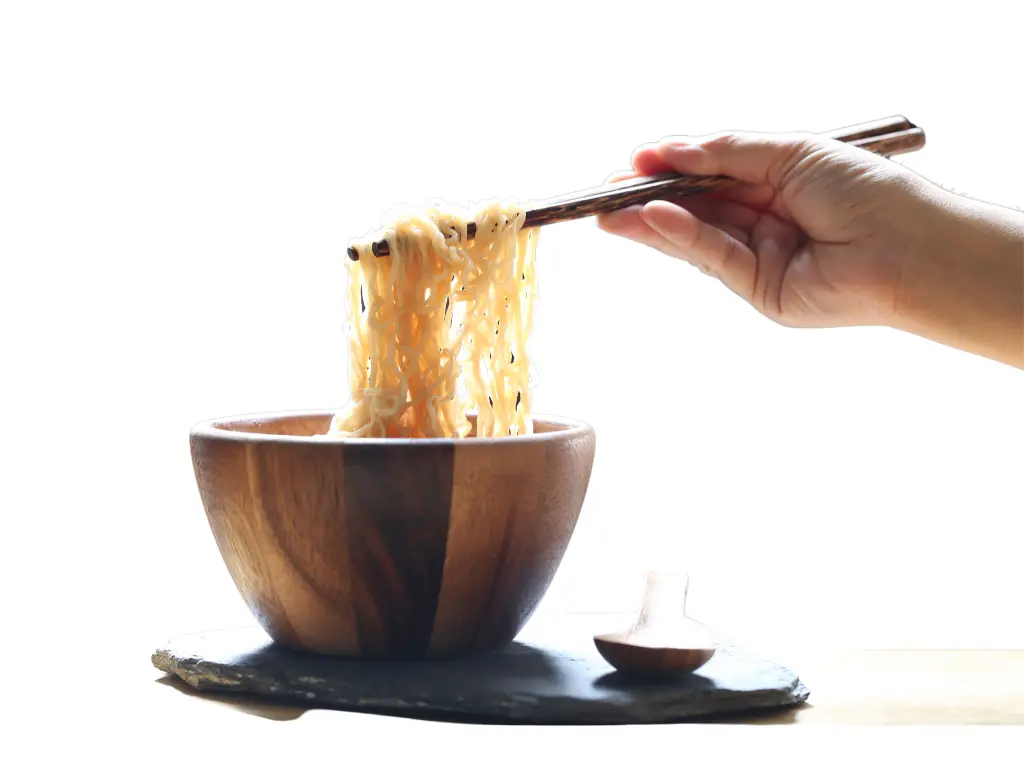
Composting has become a popular way to reduce waste and create nutrient-rich soil for gardens. Many people wonder if pasta can be added to their compost piles. Both cooked and uncooked pasta can be composted, making it an excellent way to dispose of leftover noodles and reduce food waste.
Pasta is made from organic materials, primarily wheat flour, which breaks down easily in a compost environment. When composting pasta, it’s important to consider a few factors to ensure successful decomposition.
Burying the pasta under carbon-rich materials in the compost pile can help deter pests and minimize odors. Using a closed compost bin is another effective method for composting pasta while avoiding potential issues.
By composting pasta, individuals can contribute to sustainability efforts and reduce their environmental impact. This practice helps divert food waste from landfills and creates valuable organic matter for gardens.
As with any composting endeavor, maintaining a balanced mix of materials and proper moisture levels is key to successful decomposition.
Fundamentals of Composting Pasta
Composting pasta involves specific techniques and considerations to ensure effective decomposition and nutrient-rich compost. Proper preparation and balancing of materials are crucial for successful pasta composting.
The Science of Composting
Composting relies on microorganisms breaking down organic matter. Bacteria and fungi play key roles in this process. These microorganisms thrive in specific conditions, including proper moisture levels and temperature.
Pasta, being rich in carbohydrates, provides carbon for the composting process. Carbon is essential for microbial growth and energy. However, pasta alone does not provide a balanced diet for composting microorganisms.
Nitrogen-rich materials must be added to create an optimal carbon-to-nitrogen ratio. This balance ensures efficient decomposition and prevents issues like odors or pests.
Temperature is crucial in composting. The breakdown of pasta and other materials generates heat, which accelerates decomposition. Proper aeration helps maintain ideal temperatures and oxygen levels for microorganisms.

Preparing Pasta for the Compost Pile
Proper preparation of pasta for composting is essential. Both cooked and uncooked pasta can be composted, but each requires different handling.
For uncooked pasta:
- Break into smaller pieces to increase surface area
- Mix thoroughly with other compost materials
- Ensure even distribution to prevent clumping
For cooked pasta:
- Allow to cool completely before adding to compost
- Break up any large clumps
- Mix with dry, carbon-rich materials like leaves or shredded paper
Avoid adding pasta with heavy sauces, cheese, or meat. These can attract pests and create odor issues. Rinse pasta lightly if it has minimal sauce residue.
Material Balance in Composting
Achieving the right balance of materials is crucial when composting pasta. The goal is to create an environment where microorganisms can thrive and efficiently break down organic matter.
Carbon-to-nitrogen ratio:
- Aim for 25-30 parts carbon to 1 part nitrogen
- Pasta provides carbon
- Add nitrogen-rich materials like grass clippings or vegetable scraps
Moisture balance:
- Maintain 40-60% moisture content
- Pasta can increase moisture levels
- Add dry materials if compost becomes too wet
Aeration:
- Turn compost regularly to provide oxygen
- Prevents anaerobic conditions that can lead to odors
By balancing these elements, pasta can be effectively composted, reducing landfill waste and creating nutrient-rich soil amendments. This process contributes to a more sustainable and environmentally friendly waste management approach.
Optimizing Compost Health & Safety
Proper management of pasta in compost is crucial for maintaining a healthy, efficient, and pest-free composting system. Following best practices helps mitigate potential issues and maximize the benefits of composting pasta waste.

Protecting Against Pests and Odors
Composting pasta can attract pests and create unpleasant odors if not done correctly. To prevent these issues, bury pasta scraps deep within the compost pile.
Mix them thoroughly with brown materials like dried leaves or shredded paper to balance the carbon-to-nitrogen ratio.
Cover the compost bin or pile to deter flies, rats, and other pests. Use a tight-fitting lid or a layer of brown materials on top. This also helps control odors by trapping gases produced during decomposition.
For pasta with sauce or cheese, rinse off excess before adding to the compost. These ingredients can create strong smells and attract unwanted visitors. Consider using a sealed worm bin for composting leftover pasta dishes to minimize odor and pest problems.
Monitoring and Maintenance of Compost
Regular monitoring is essential for successful pasta composting. Check the pile’s temperature, moisture, and overall composition weekly. The ideal temperature range is 130-150°F (54-66°C) for efficient decomposition.
Maintain proper moisture levels by ensuring the compost feels like a wrung-out sponge. If too dry, add water; if too wet, mix in dry brown materials. Turn the compost pile every 1-2 weeks to improve airflow and speed up decomposition.
Monitor the ratio of green (nitrogen-rich) to brown (carbon-rich) materials. Aim for a 3:1 ratio of browns to greens. Pasta, being high in starch, counts as a green material. Balance it with adequate browns to prevent compaction and anaerobic conditions.
Troubleshooting Common Issues
If the compost pile develops a strong odor, it may be too wet or lack oxygen. Add more brown materials and turn the pile to increase airflow. For a slow-decomposing pile, check moisture levels and add green materials if needed.
White, fuzzy mold on pasta is normal and beneficial for decomposition. However, slimy, dark mold indicates anaerobic conditions. To fix this, turn the pile and add more brown materials to improve drainage and aeration.
If pests persist despite preventive measures, consider using a closed-bin system or bokashi composting for pasta waste. These methods offer better containment and reduce the risk of attracting unwanted animals.
For methane emissions concerns, ensure proper aeration by turning the pile regularly. Well-managed compost piles produce minimal methane, contributing positively to climate change mitigation efforts in gardens and small-scale composting operations.

Frequently Asked Questions
Composting pasta raises questions about related food items and their suitability for compost bins. Understanding the behavior of various kitchen scraps in composting environments is crucial for maintaining a healthy and effective compost system.
Is pasta sauce acceptable in a compost bin?
Pasta sauce can be composted, but caution is needed. Small amounts of plain tomato-based sauces are generally acceptable. Sauces containing oils, meats, or dairy should be avoided as they can attract pests and create odors.
How does cooked rice behave in a composting environment?
Cooked rice behaves similarly to pasta in compost. It breaks down relatively quickly but can become sticky and clump together. This may create anaerobic pockets in the compost pile, slowing decomposition.
To prevent this, it’s best to mix cooked rice thoroughly with other compost materials.
Are dairy products like cheese suitable for composting?
Dairy products, including cheese, are not recommended for home composting. They can create strong odors, attract pests, and potentially introduce harmful bacteria to the compost pile.
It’s best to exclude dairy from compost bins and dispose of it through other means.
What is the decomposition time for bread in compost?
Bread typically decomposes in compost within 2-4 weeks. The exact time depends on factors such as moisture levels, temperature, and the size of bread pieces.
Smaller bread chunks will break down faster than whole slices or loaves.
Can cooked food items, in general, be added to compost piles?
Many cooked food items can be composted, but care must be taken. Plant-based cooked foods like vegetables, grains, and legumes are generally safe to compost.
It’s important to avoid adding large quantities at once and to mix them well with other compost materials.
What should be considered when composting cooked meats?
Composting cooked meats is not recommended for home compost systems. Meats can attract pests, create unpleasant odors, and potentially harbor harmful pathogens.
They may also slow down the composting process and create an imbalance in the compost pile.


Leave a Reply